CN
 En
 JP


In the scorching summer, while we enjoy the coolness in the air-conditioned room, the ground crew on the airport apron have to face the scorching heat of 60 ℃. In such extreme environments, not only do people need to prevent heatstroke, but even airplanes require special care. Especially during aircraft landing, the temperature of the brake components can soar to 300 ℃~400 ℃. If not cooled down in time, it may affect the flight punctuality, and in severe cases, it may lead to brake failure or even tire blowouts, posing a significant safety hazard.

Faced with this industry challenge, Xi'an Airport independently developed the first generation of aircraft brake cooling equipment as early as 2013. The innovative design of axial flow fans accelerates air circulation by forming a negative pressure zone, greatly improving the cooling efficiency of brake components. This seemingly simple idea has solved the pain points that have plagued the aviation industry for many years. But innovation never stops. The second-generation intelligent cooling equipment recently put into use is even more impressive: high-performance battery drive achieves zero emissions, silent DC motor ensures safe operation in rainy days, centrifugal fan combined with intelligent wind speed regulation improves heat dissipation efficiency. The addition of the lifting operation system enables the equipment to adapt to various aircraft models such as Airbus A320 and Boeing 737, greatly enhancing its practicality. Data is the most powerful proof. The second generation of equipment has reduced the cooling time by 60%. Behind this number is the guarantee of countless flights taking off and landing on time, the reduction of ground crew workload, and the significant improvement of aviation safety factor. These tangible achievements have enabled the equipment to win awards in both the Group Green Innovation Competition and the Provincial Innovation Competition, and the first generation of equipment has also obtained a national utility model patent. The leap from the first generation to the second generation not only reflects technological breakthroughs, but also demonstrates a spirit of craftsmanship that strives for excellence. In today's rapidly developing civil aviation industry, such innovative cases provide us with an important insight: true technological progress often stems from a keen insight into pain points in daily work and continuous improvement. Xi'an Airport Ground Handling Company has proven through its actions that innovation does not require earth shattering feats. By taking every detail to the extreme, it can also create extraordinary value. Looking ahead to the future, as "smart airports" and green low-carbon development become industry trends, this technological innovation based on practical needs will play a greater role. When more "small innovations" such as brake cooling equipment converge, it will ultimately drive China's civil aviation industry to achieve a "big leap". On July 31st, a press conference was held in Xi'an to showcase the impressive achievements of this ancient capital in the construction of an open economy. As an important air gateway in the northwest region, Western Airport Group has ensured over 40.045 million passengers and a cargo and mail throughput of 238000 tons as of July 25th, with year-on-year growth of 6% and 13.7% respectively in two indicators. Among them, Xi'an Airport contributed 27.271 million passenger throughput, and international cargo and mail achieved an astonishing growth of 139%.

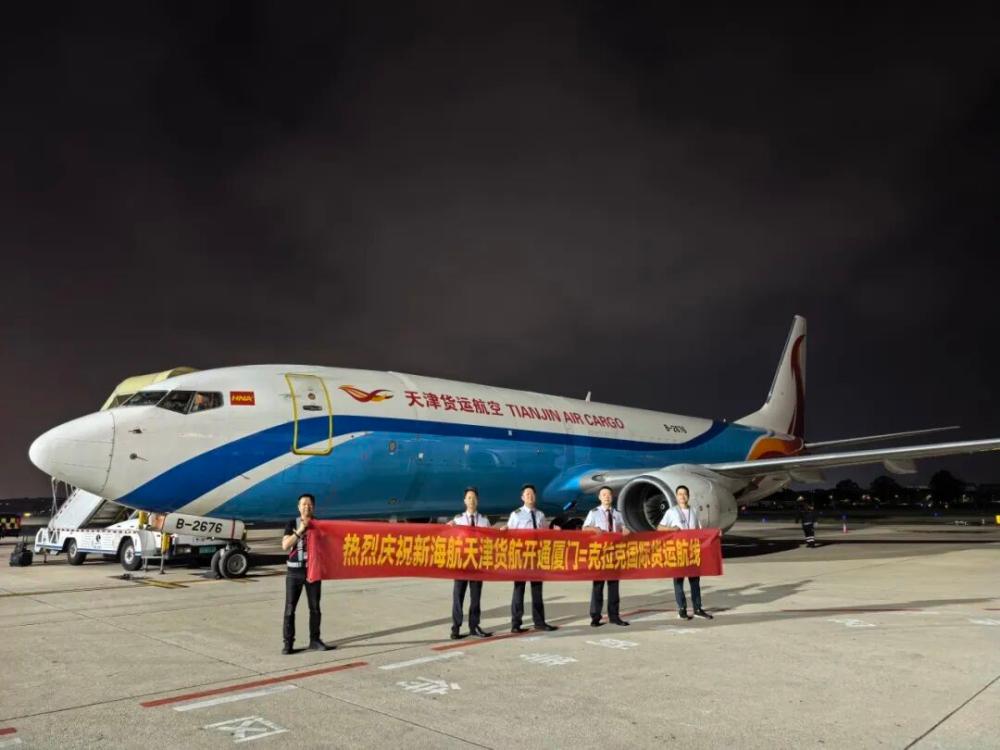
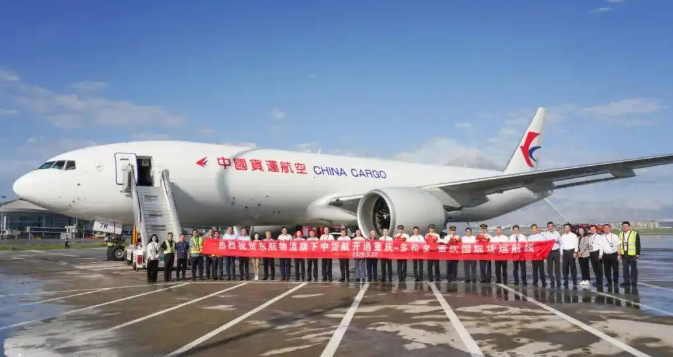
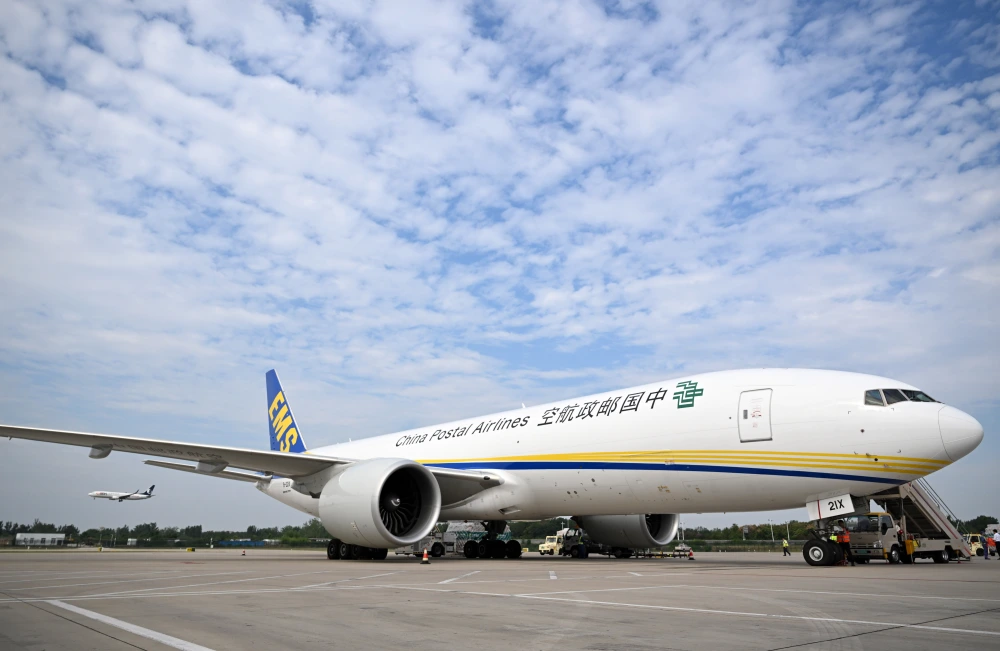
Behind these figures is the vivid practice of Xi'an's deep integration into the "the Belt and Road" construction. In recent years, Western Airport Group has accurately grasped the national strategic opportunities and made sufficient efforts in the layout of the airline network. Among the 15 all cargo routes currently in operation, 12 are international routes, of which 80% are westward open routes and operate steadily 30 flights per week. The six newly opened freight routes from Xi'an to Milan, Madrid and other destinations this year not only weave the "Air Silk Road" between Asia and Europe, but also make Xi'an an important logistics hub connecting the East and the West. Of particular note is the explosive growth of international freight transportation.

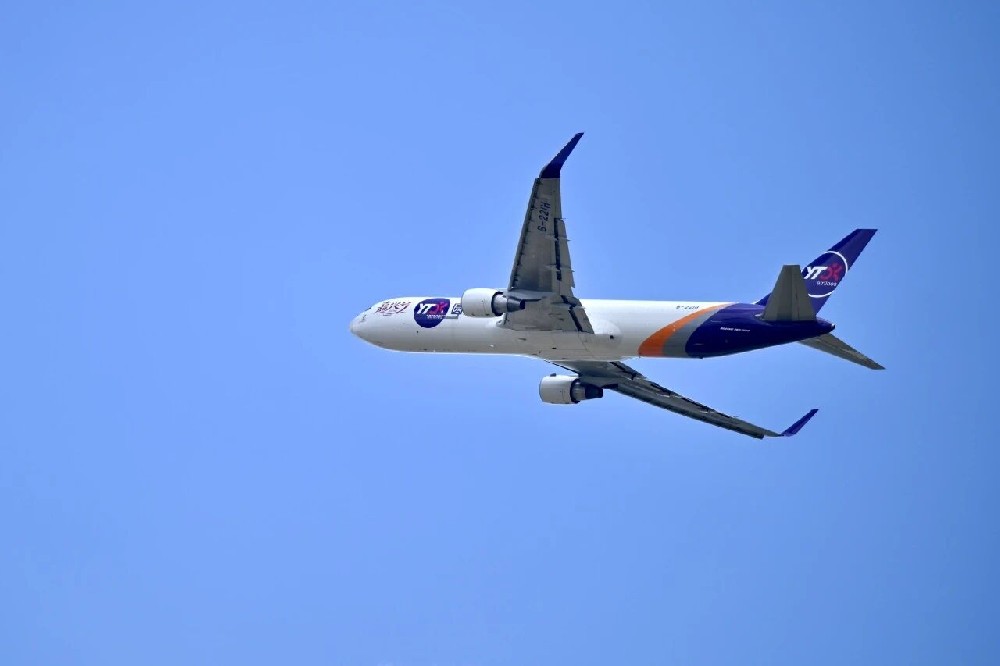
In the first seven months, the international cargo throughput of 36000 tons accounted for nearly 70% of the total cargo aircraft transportation, and it is expected to exceed 66000 tons for the whole year. These data fully demonstrate that the cargo capacity of Xi'an Airport is undergoing a qualitative leap, transitioning from traditional passenger transportation to a combination of passenger and freight transportation, injecting new momentum into local economic development. This transformation is not accidental, but the result of proactive actions. Following the "the Belt and Road" initiative, the Western Airport Group, on the one hand, densified international freight routes, on the other hand, improved ground support facilities, and formed a three-dimensional logistics network of "air+ground". This full chain layout thinking has given Xi'an an advantage in regional competition and explored new paths for inland cities to open up to the outside world. Chang'an City, which came from the depths of history, was once the starting point of the overland Silk Road. Nowadays, with the help of modern aviation networks, Xi'an is writing a new open chapter. When planes loaded with cargo take off from Xi'an and cross mountains and rivers to reach various parts of Europe, what we see is not only busy air routes, but also a new posture of an ancient city embracing the world. Looking towards the future, the development blueprint of Western Airport Group has been drawn up. Against the backdrop of building a new development pattern, the construction of Xi'an's aviation hub is bound to usher in greater opportunities. By continuously optimizing the route network, improving service efficiency, and deepening international cooperation, this inland city, which is not along the border nor near the sea, will become an important international aviation hub on the "the Belt and Road", providing stronger support for high-quality development.